
The 1920s "Detachable Collar": The Stiff Neck "Father Killers"
In the Roaring Twenties, men didn't just throw on a soft polo. They wore separate, highly starched collars made of linen or even cardboard-like paper. These were buttoned onto the shirt, saving laundry time since you only washed the collar. However, they were so incredibly stiff and tight that they earned the morbid nickname "father killers." Allegedly, if a gentleman fell asleep in his armchair with his chin tucked down, the rigid collar could actually restrict his airway or blood flow.
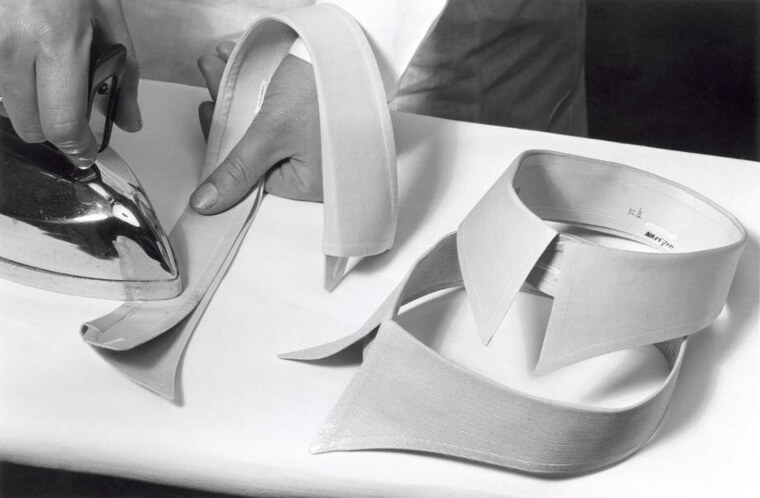
It’s no wonder we eventually traded these neck-choking traps for the comfortable, integrated collars we enjoy today!
The 1950s "Poodle Skirt": Why We All Carried Dogs on Our Hips
Every teenage girl in the mid-fifties seemingly had to have a wide, felt swing skirt featuring a felt poodle applique. It was the ultimate "it girl" outfit for the soda fountain. The trend reportedly started when a designer needed a quick way to decorate a circular piece of felt and chose a dog. Why a poodle? Nobody is entirely sure, but it became a massive cultural phenomenon. We wore them with crinolines underneath to make them stand out.
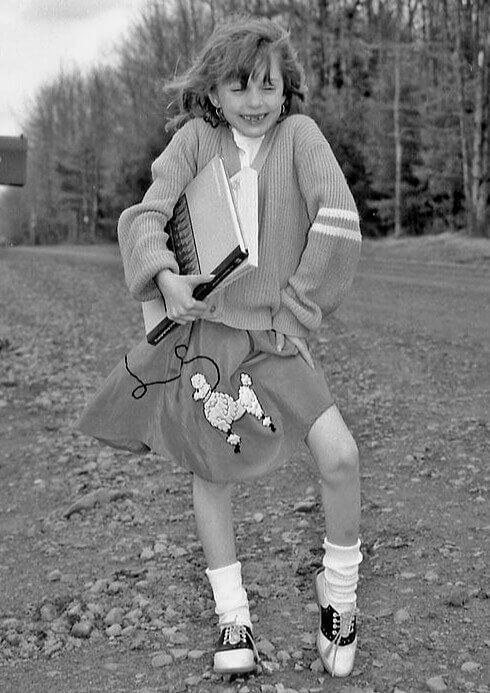
And that made sitting down in a school desk a hilarious, poofy challenge that required some serious tactical maneuvering.
The 1970s "Leisure Suit": The Polyester Uniform of the Disco King
If you stepped into a party in 1975, you were likely surrounded by a sea of pastel-colored polyester. The leisure suit offered a casual alternative to the traditional business suit, featuring wide lapels and matching bell-bottom trousers. They were marketed as "wash and wear," which sounded great until you realized polyester doesn't breathe. Dancing under disco lights in these synthetic wonders was reportedly a recipe for an immediate sweat-fest.
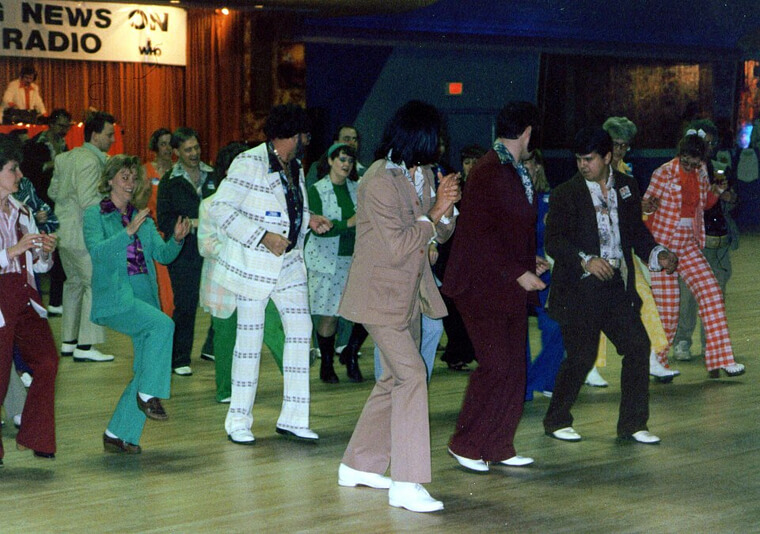
They eventually went out of style because, frankly, the world realized that neon mint green and non-breathable plastic fabric weren't exactly the pinnacle of high-class sophistication.
The 1980s "Power Shoulder Pads": Dressing Like a Linebacker for the Office
In the eighties, we didn't just walk into a room; our shoulders arrived five minutes early. Inspired by shows like Dynasty, women utilized massive foam inserts to create a silhouette that screamed "executive authority." Some of these pads were so large they practically touched our ears! It was a way to command respect in the corporate world, but it also made it nearly impossible to put on a winter coat without looking like a professional football player.
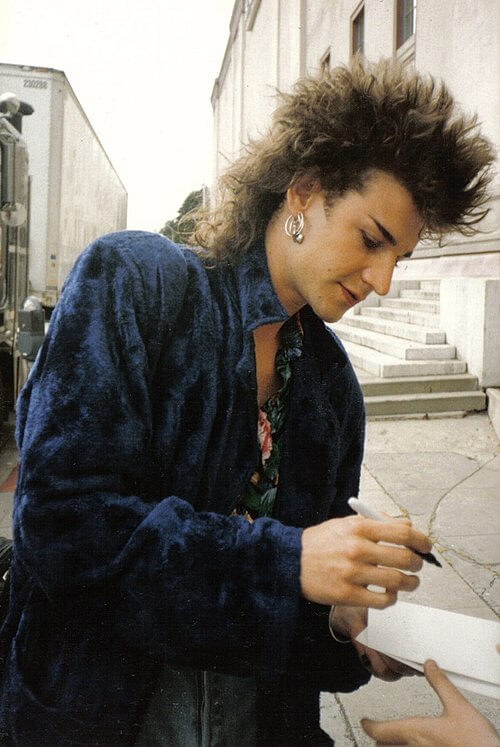
Eventually, the silhouette softened, and we all breathed a sigh of relief when our natural frames finally returned to the spotlight.
The 1960s "Paper Dresses": The Disposable Fashion That Could Literally Dissolve
In 1966, a paper company released a disposable dress as a marketing gimmick, and surprisingly, it took off! These were literally made of a reinforced paper-like cellulose. They were cheap, vibrant, and meant to be tossed after one or two wears. The downside? You couldn't get them wet, or you’d find yourself standing in a pile of soggy pulp. They also reportedly had a nasty habit of tearing if you sat down too quickly.
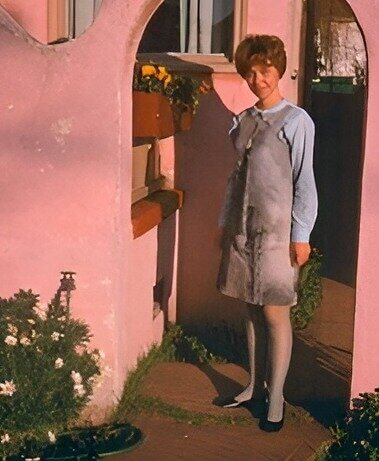
By the end of the decade, the novelty wore off as people realized that wearing stationery wasn't exactly a sustainable or durable fashion choice.
The 1990s "Butterfly Clips": Turning Every Head Into a Plastic Garden
If you were a young woman in the late nineties, your hair was likely a swarm of tiny, colorful plastic butterflies. We would twist small sections of hair and pin them back with dozens of these little contraptions. It was a whimsical look that allegedly made everyone feel like a fairy princess, but the reality was a tangled nightmare. Removing them at the end of the night was a delicate operation.
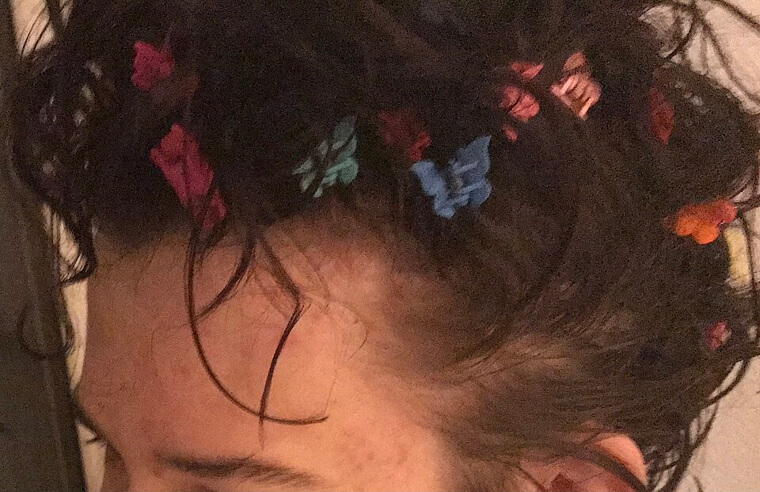
And it often resulted in lost hair and a very sore scalp. Eventually, the trend flew away as more minimalist, sleek hairstyles took over the scene.
The 1930s "Zoot Suit": The High-Waisted, Oversized Statement of Rebellion
The Zoot suit was all about excess: exaggerated shoulders, wide lapels, and high-waisted trousers that ballooned at the knees before tapering at the ankles. Popular among various subcultures, it was a bold statement of identity. During wartime fabric rationing, however, these suits were seen as unpatriotic because they used so much material. This reportedly led to significant tensions and even public outcries.
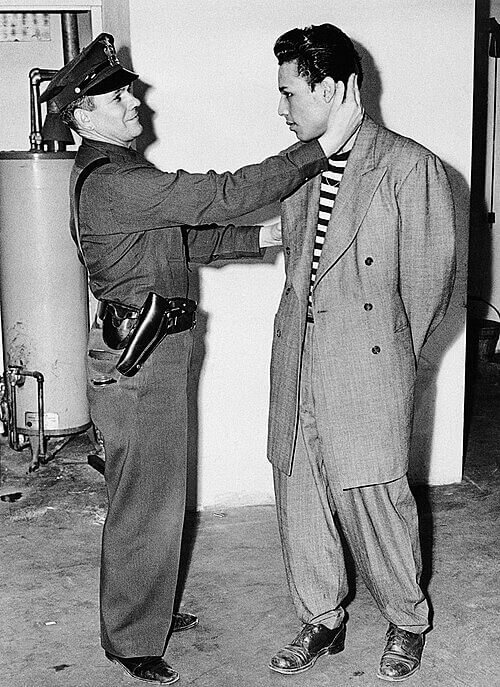
Eventually, the suit fell out of favor as fashion moved toward more streamlined, fabric-efficient designs, but its legacy as a symbol of bold, defiant style remains firmly etched in our sartorial history.
The 1970s "Platform Shoes": Learning to Walk on Six-Inch Bricks
The seventies literally lifted us up, but at a great cost to our ankles. Men and women alike donned shoes with soles so thick they looked like bricks. While they gave us extra height for the dance floor, they were notoriously difficult to balance in. We allegedly spent half our time trying to look cool and the other half trying not to tumble over. Once the disco era faded, the orthopedic nightmare of walking on stilts lost its appeal.
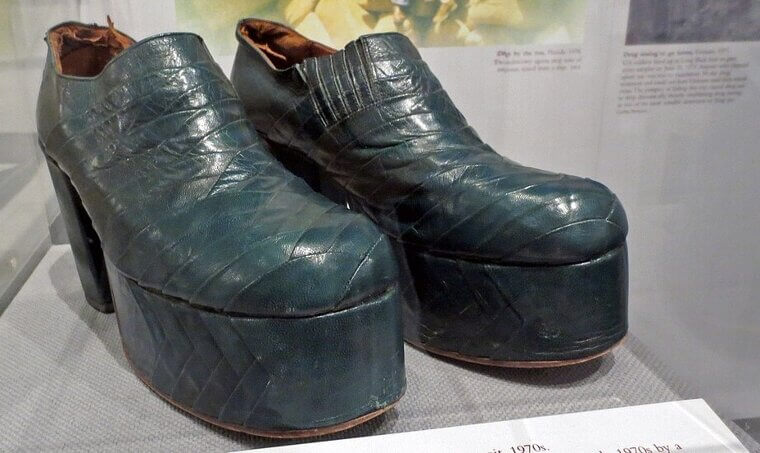
And we gladly returned to footwear that actually allowed our feet to touch the ground.
The 1950s "Cone Bra": The Pointy Silhouette That Could Poke an Eye Out
The mid-century "bullet" or "cone" bra was designed to create a very specific, sharp silhouette that was popular among Hollywood starlets. It used concentric stitching to push the bust into a literal point. While it looked striking under a tight sweater, it wasn't exactly a natural shape. Many women reportedly used "padding" to ensure the points didn't collapse or look lopsided. And then a new decade ushered in and things shifted.
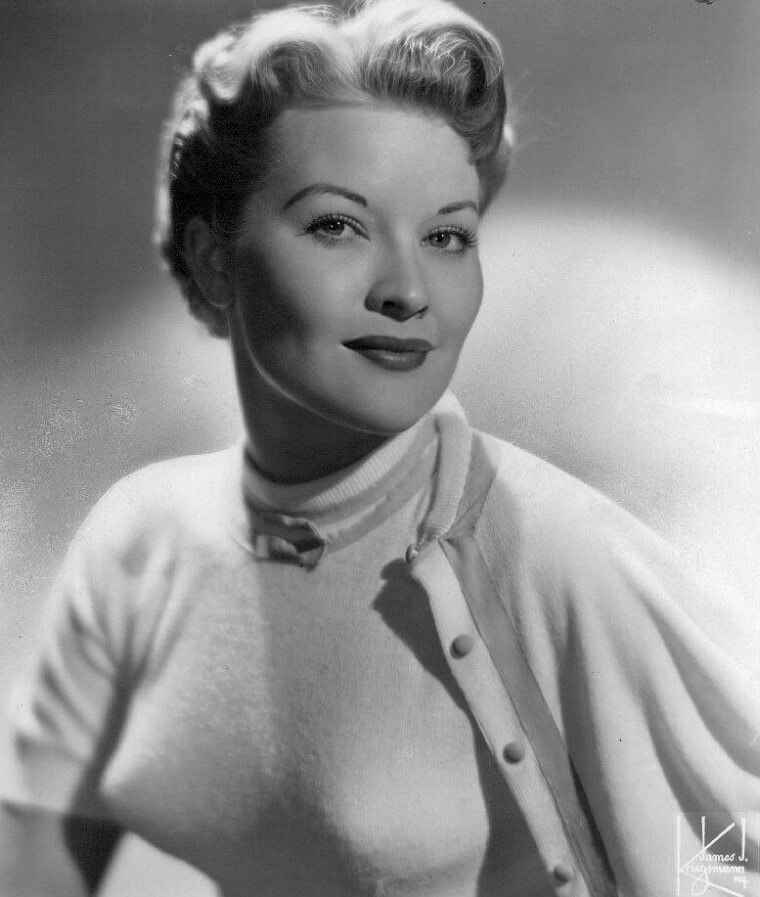
As the sixties arrived and the "natural look" became the new standard, these structural marvels were tucked away in drawers, much to the relief of anyone who had ever been accidentally poked by one.
The 1980s "Parachute Pants": The Swishing Sound of Synthetic Freedom
Breakdancing culture brought us the glory of parachute pants. Made of thin, synthetic nylon, these pants were baggy and featured more zippers than any human could ever realistically need. The best part? The "swish-swish" sound you made while walking down the street. They were reportedly great for spinning on your back, but they were also incredibly noisy and had a tendency to trap heat.
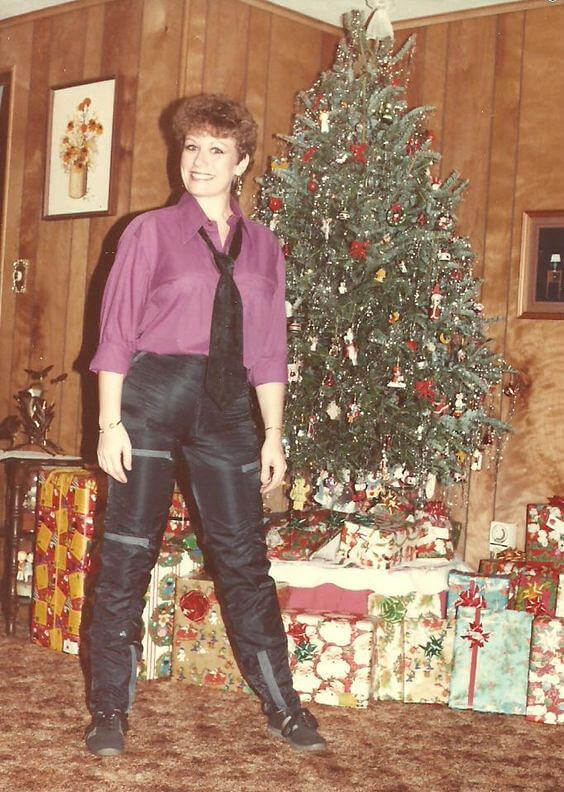
Once the fad passed, we realized that looking like we were ready to jump out of a plane wasn't the best look for a trip to the grocery store.
The 1920s "Cloche Hat": The Helmet That Made Peripheral Vision a Luxury
The cloche hat was the ultimate accessory for the flapper, hugging the head so tightly it resembled a bell. While it looked chic and sophisticated, it was pulled down so low over the forehead that it reportedly obscured the wearer’s vision. Women had to tilt their heads back just to see where they were walking! This led to a very specific, snooty-looking posture that wasn't about attitude, but sheer survival.
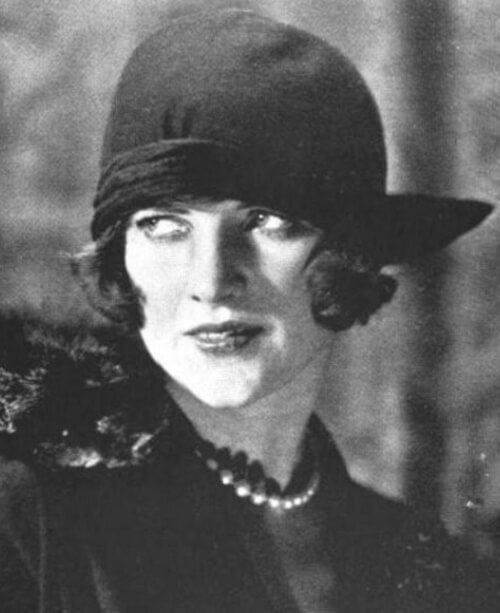
As hairstyles became fuller in the thirties, these restrictive "head-buckets" were finally tossed aside for styles that let us see the world again.
The 1960s "Go-Go Boots": The White Vinyl Wonders for Shaking It
Nothing says the "Swinging Sixties" like a pair of knee-high, white vinyl Go-Go boots. Originally designed with a low heel for dancing, they became a symbol of female empowerment and the space-age aesthetic. However, wearing non-breathable vinyl meant your legs were essentially trapped in portable saunas. Reportedly, peeling these off after a night of dancing was a two-person job involving a lot of suction and some very sweaty calves.
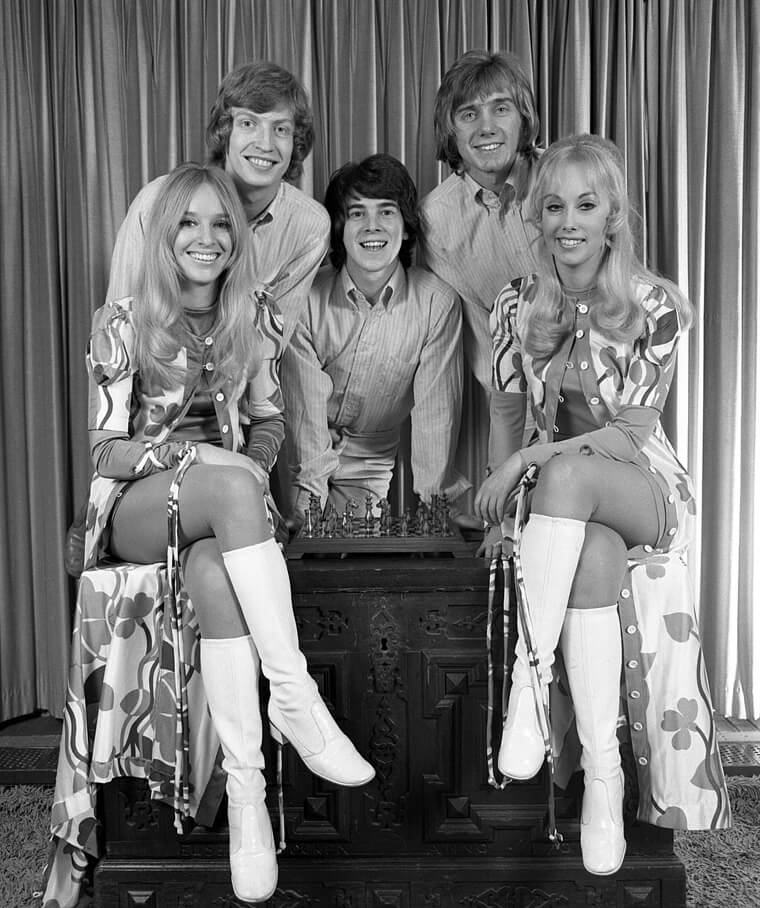
They eventually fell out of style as the earthy, bohemian "hippie" look of the late sixties favored suede and bare feet instead.
The 1940s "Seamed Stockings": The Daily Struggle of the Perfect Straight Line on the Back of the Leg
During the war, nylon was scarce, but the look of stockings was still a must. Women would wear silk or rayon stockings that featured a prominent seam running down the back of the leg. The ultimate challenge was keeping that seam perfectly straight; a crooked line was considered a major fashion faux pas. Many women reportedly resorted to "liquid stockings"—painting their legs with tan makeup.
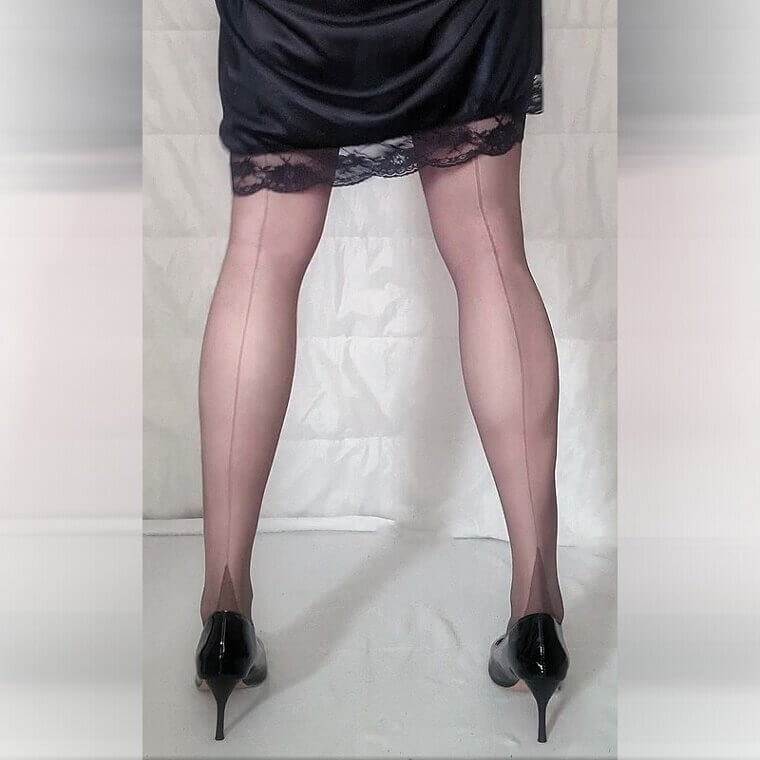
They used an eyebrow pencil to draw the seam directly onto their skin! It was a lot of effort for a look that disappeared the moment you got caught in the rain.
The 1990s "JNCO Jeans": When Your Pant Legs Could House a Family of Four
The nineties took the "baggy" trend to an absolute extreme with JNCO jeans. These trousers featured leg openings that could be up to 50 inches wide! You didn't walk in these jeans; you floated in a sea of denim. They were popular with the skater and raver crowds, but they had a major flaw: the bottoms would get soaked in puddles, turning the hems into heavy, frayed weights. Reportedly, kids were tripping over their own pants daily.
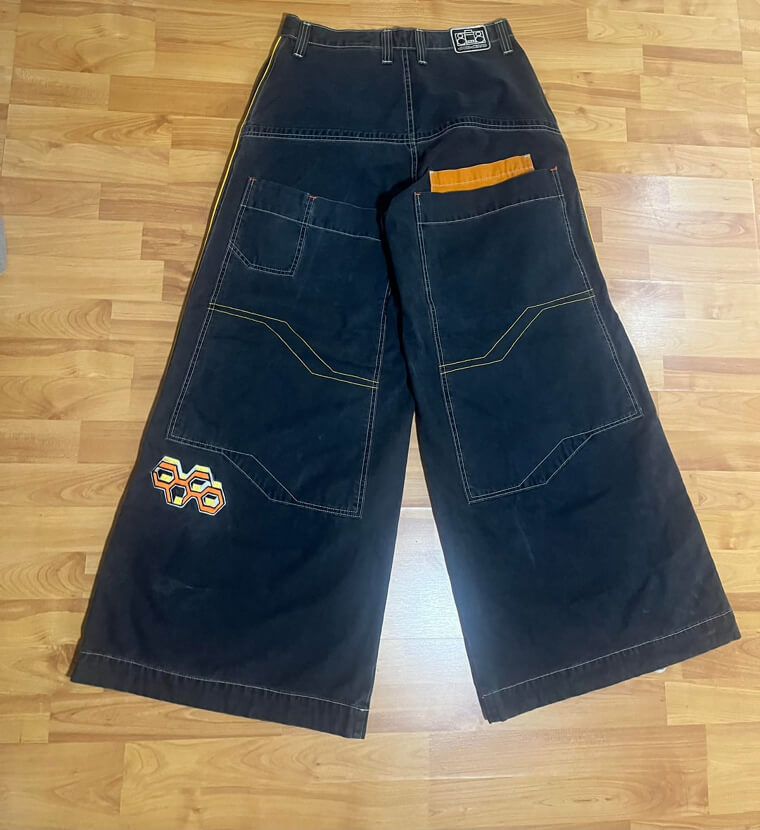
Eventually, the fashion world pivoted back to "skinny" jeans, and we all stopped dragging five pounds of wet denim behind us.
The 1970s "Mood Rings": Wearing Your Secrets on Your Finger
In the mid-seventies, we all became obsessed with a piece of jewelry that claimed to read our emotions. These rings contained liquid crystals that changed color based on body temperature. If the ring turned blue, you were "relaxed"; if it turned black, you were "stressed." Of course, it mostly just reflected how cold the room was! People reportedly spent hours staring at their knuckles to see if their mood had shifted.
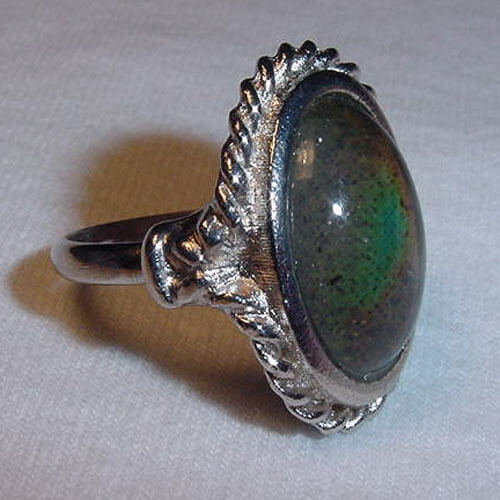
The fad eventually faded when we realized that a piece of cheap metal wasn't a reliable substitute for actual self-awareness or a good conversation.
The 1950s "Saddle Shoes": The School Uniform That Followed Us Everywhere
Saddle shoes were the quintessential footwear for the "Bobby Soxer" generation. These white oxfords with a black or navy "saddle" across the middle were worn by everyone from cheerleaders to teenagers at the malt shop. The biggest problem? Keeping the white part white and the black part black. We reportedly spent hours with white shoe polish and old rags, trying to maintain that crisp contrast.
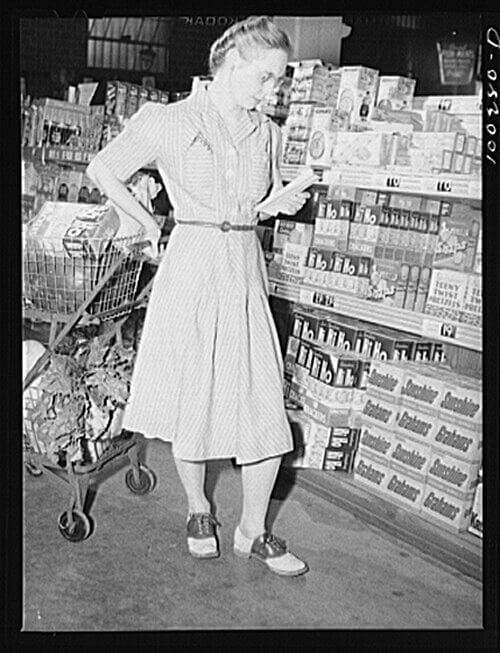
They eventually became synonymous with a very specific, squeaky-clean era, and as the rebellious sixties took over, these "good girl" shoes were traded for boots and sandals.
The 1980s "Neon Leg Warmers": Keeping Our Ankles Toasty While We Sweated
Inspired by the movie Flashdance, leg warmers became a mandatory accessory, even if you weren't a ballerina. We wore them over leggings, jeans, or even with skirts, usually in blinding neon colors like hot pink or electric lime. They were allegedly for keeping muscles warm during aerobics, but most of us just wore them to the mall. They had a tendency to slouch down into a bunched-up mess around our ankles, making our legs look remarkably short.
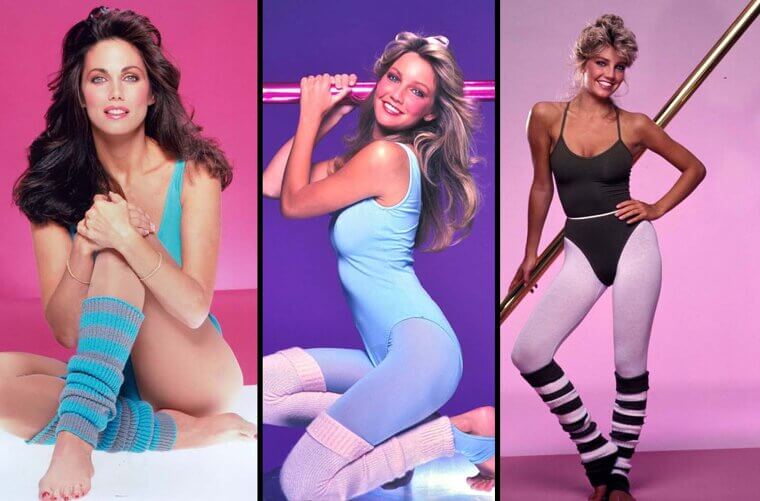
Eventually, the neon craze burned out, and we decided our ankles didn't need their own individual sweaters anymore.
The 1920s "Plus Fours": The Baggy Golf Knickers That Went Too Far
Men in the twenties took to "Plus Fours," which were trousers that extended four inches below the knee and were buckled at the shin. They were designed to give golfers more freedom of movement, but they often looked like a ballooning mess of tweed. When paired with argyle socks, the look was... vibrant, to say the least. They were reportedly so baggy that they caught the wind like sails.
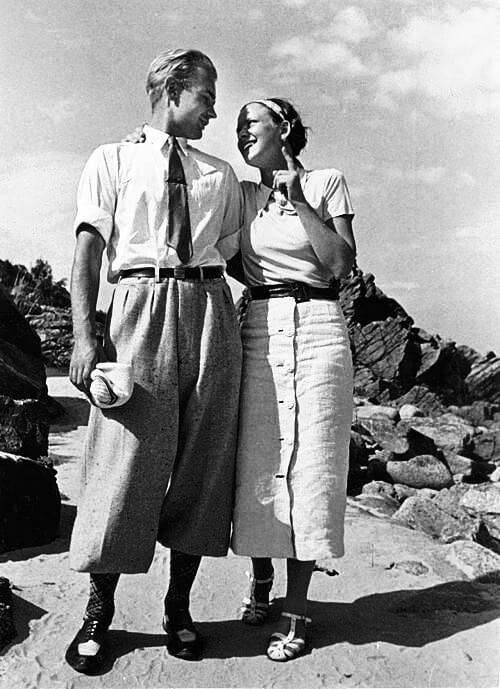
They remained a staple for the sporting set for a while, the general public eventually moved toward trousers that didn't make them look like they were hiding hams in their pant legs.
The 1960s "Beehive Hairdo": The Architectural Marvel of Hairspray
To achieve the perfect beehive, women in the sixties would tease, backcomb, and spray their hair until it reached incredible heights. It was a structural masterpiece that reportedly could last for an entire week if you slept very carefully on a silk pillowcase. However, rumors circulated that the internal "nest" of hair was a magnet for spiders or insects—though these were mostly urban legends! The sheer amount of sticky hairspray required made the hair feel like a helmet.

Eventually, the "long and straight" hippie look took over, and we finally let our scalps breathe again.
The 1970s "Hot Pants": When Shorts Became a Little Too Short
In 1971, "Hot Pants" took the world by storm. These were extremely short, tight-fitting shorts often made of velvet, satin, or leather. They were a bold departure from the ladylike hemlines of the past and were worn everywhere from the office to the disco. Reportedly, some businesses even had to implement dress codes specifically to ban them! They were definitely a "look," but they weren't exactly practical for sitting on hot vinyl car seats.
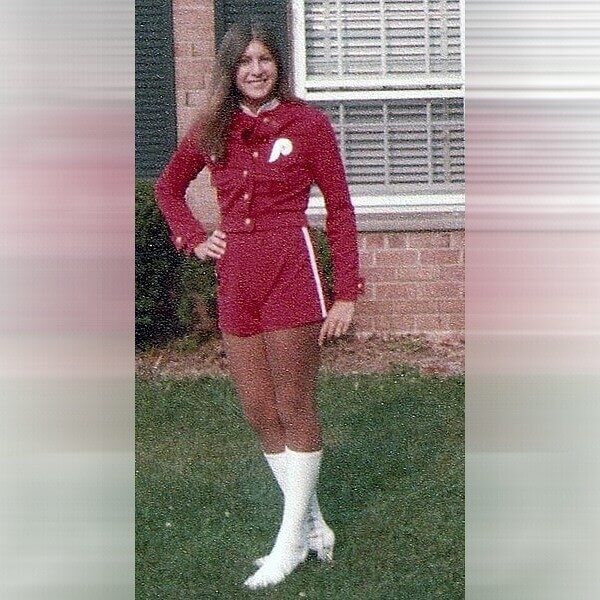
As the decade progressed, the trend shifted toward longer, more flowing maxi dresses, giving our legs a much-needed break from the spotlight.
The 1980s "Rat Tails": The Tiny Braid That Divided Families
For a brief, confusing moment in the eighties, it was trendy for boys and men to grow one long, thin strand of hair at the nape of the neck while keeping the rest of the hair short. This "rat tail" was often braided or decorated with beads. It was reportedly seen as a mark of rebellion, but mostly it just looked like someone had missed a spot during a haircut. Parents everywhere groaned at the sight of them.
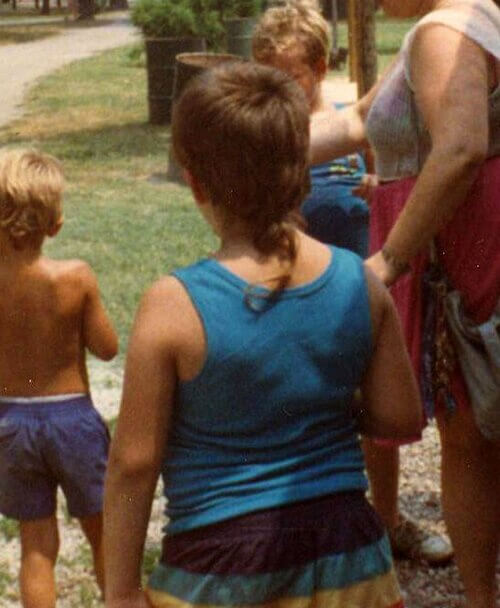
By the early nineties, the rat tail was largely considered a fashion disaster and was snipped away in favor of the "grunge" look.
The 1950s "Crinolines": The Scratchy Under-Layers That Took Up All the Space
To get that perfect "New Look" silhouette, women wore multiple layers of crinolines—stiff, ruffled petticoats made of nylon or net. They were incredibly scratchy and would often snag on stockings, leading to many a ruined pair. Reportedly, walking through a doorway or trying to fit into a car was a feat of engineering when you were wearing three layers of stiffened mesh. They gave skirts a beautiful bounce.
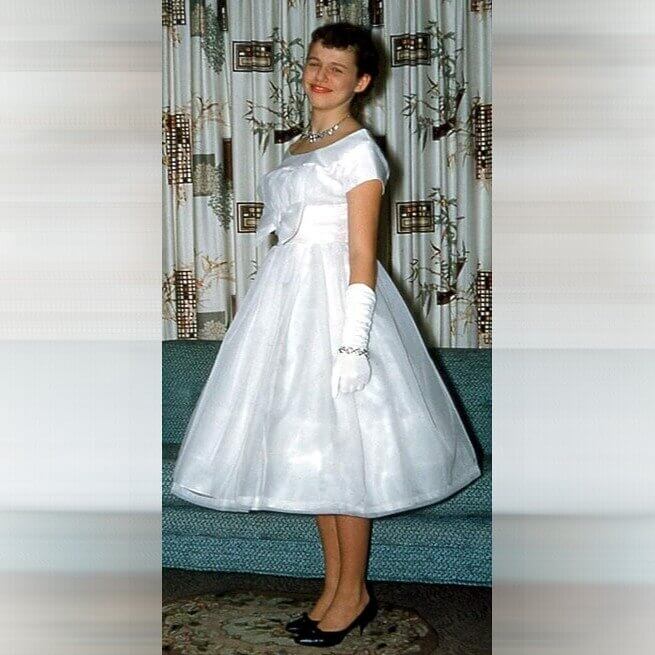
But the constant rustling and the sheer bulk eventually made them more of a chore than a charm, leading to their demise by the early sixties.
The 1990s "Visors": The Hats That Forgot to Cover Your Head
The nineties loved a good visor, especially when worn upside down or backward. Originally intended for tennis players to keep the sun out of their eyes while letting heat escape their scalp, they became a bizarre street-style staple. They didn't protect the top of your head from sunburn, and they often gave the wearer a very strange "flat-top" hair effect. Reportedly, they were the go-to accessory for boy bands and teenagers alike.

Eventually, we realized that if we were going to wear a hat, it might as well be a whole hat, and the visor returned to the golf course.
The 1970s "Pet Rock" Pendants: Wearing a Stone as a Fashion Statement
While not strictly clothing, carrying or wearing a "Pet Rock" was the height of 1975 kitsch. People actually wore small stones on necklaces or tucked them into little pouches. It was a tongue-in-cheek trend that reportedly made millions for its creator. The "pet" required no feeding or walking, making it the perfect low-maintenance companion. However, the novelty of wearing a literal rock around your neck wore off fairly quickly.
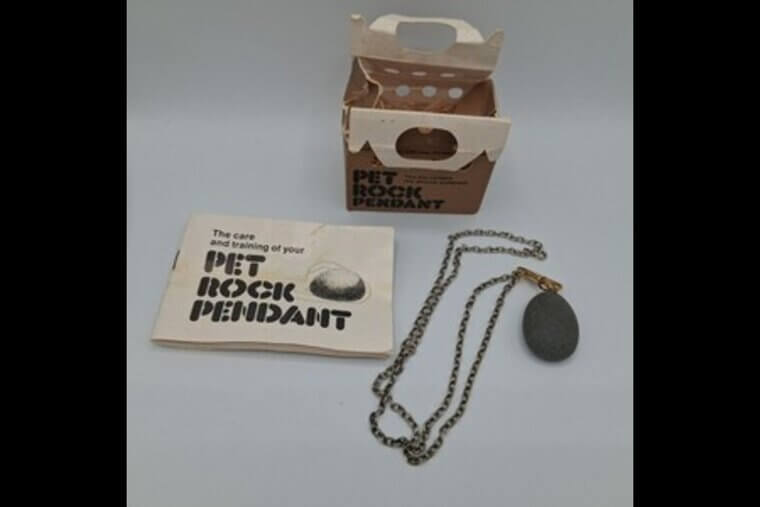
It stands as a hilarious reminder of how easily we could be talked into buying—and wearing—absolutely anything if the marketing was clever enough.
The 1940s "Utility Clothing": Fashion Born Out of Necessity and Rations
During World War II, "Utility" clothing was introduced to save fabric. Designs were strictly regulated: no pleats, no ruffles, and no extra buttons. Even the width of the hem was controlled! This led to a very sharp, minimalist aesthetic that we now think of as "classic 40s." While it was born out of sacrifice, women reportedly became incredibly creative with accessories like hats and brooches to spice up their limited wardrobes.
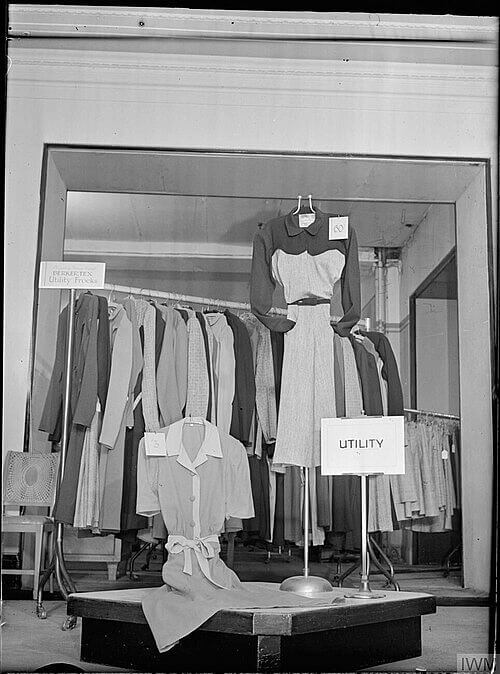
Once the war ended and fabric was no longer rationed, the pent-up desire for "more" led directly to the extravagant, fabric-heavy "New Look" of the fifties.
The 1980s "Acid Wash Jeans": When We Paid for Clothes That Looked Ruined
In the eighties, we didn't want our denim to look new; we wanted it to look like it had been through a chemical spill. Acid wash jeans were treated with chlorine and pumice stones to create a mottled, bleached-out appearance. The process reportedly weakened the fabric, leading to premature holes—which, ironically, also became trendy. We paired them with oversized sweaters and felt very edgy.
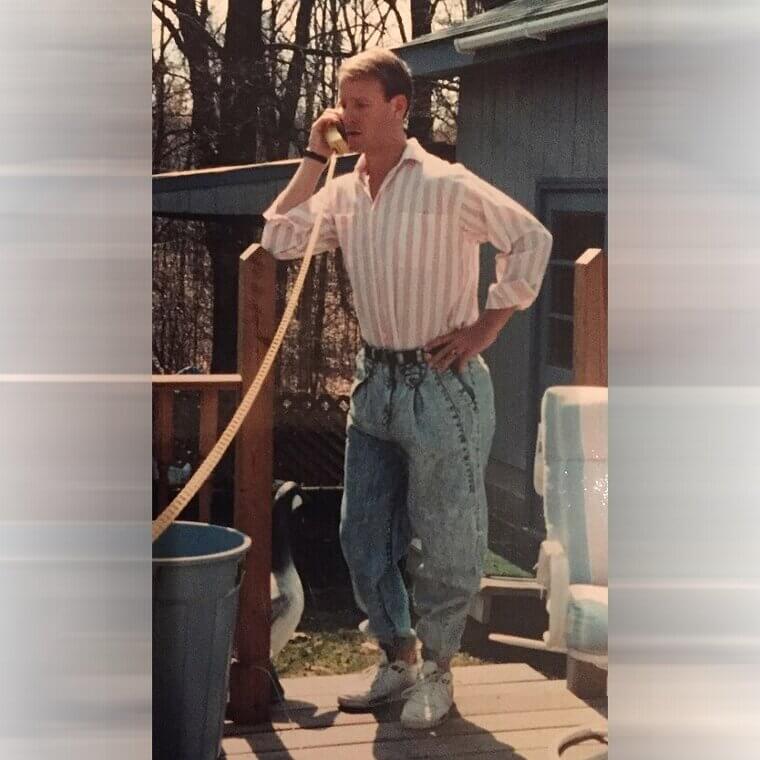
Eventually, the high-contrast look started to feel a bit too much like a "bad DIY project," and we moved back to the classic, deep blue indigo of traditional denim.
The 1930s "Housecoats": The Glamorous Way to Do the Dishes
Even during the Great Depression, style didn't stop. The housecoat was a long, often zippered or wrap-style robe that women wore while performing domestic duties. Unlike today's tattered bathrobes, these were often made of pretty prints or even velvet. They were designed to make the wearer look like a Hollywood starlet while she was vacuuming. Reportedly, a woman wouldn't dream of being seen in her "nighties," so the housecoat was the perfect middle ground.
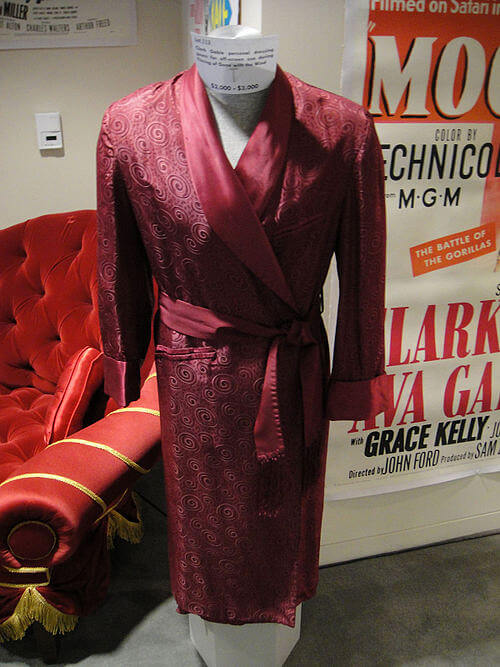
As lifestyle became more casual in the post-war years, these elegant robes were slowly replaced by the humble (and less glamorous) tracksuit.
The 1960s "PVC Raincoats": Looking Like a Chic Piece of Hard Candy
The "Space Age" fashion movement brought us high-shine PVC and vinyl raincoats in vibrant primary colors. They were sleek, futuristic, and completely waterproof. However, they were also entirely non-breathable. If you wore one on a warm rainy day, you reportedly ended up wetter from your own perspiration than from the rain itself! They also had a tendency to squeak loudly with every move you made.
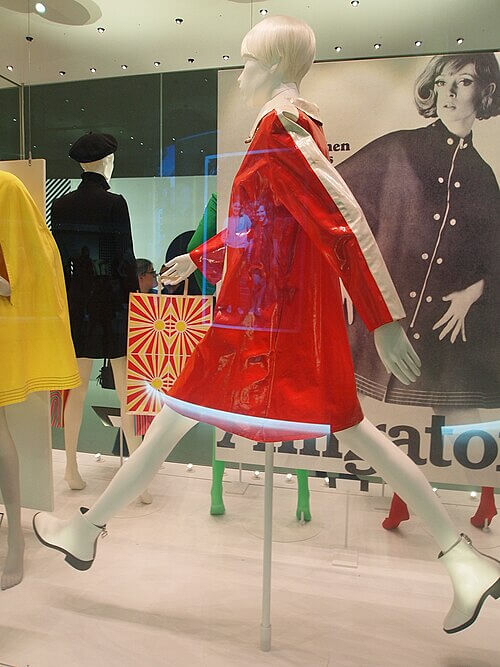
While they looked amazing in fashion magazines, the reality of wearing a plastic bag led many to return to the classic, breathable trench coat by the 1970s.
The 1990s "Tartan Plaid Everything": When We All Joined a Grunge Clan
Thanks to the movie Clueless and the Seattle grunge scene, plaid was everywhere in the nineties. We had plaid skirts, plaid flannel shirts tied around our waists, and even plaid hats. It was a strange mix of "preppy" and "rebellious." Reportedly, the trend was so pervasive that you couldn't walk into a mall without seeing a sea of checkers. Eventually, the visual "noise" of so much overlapping plaid became overwhelming.
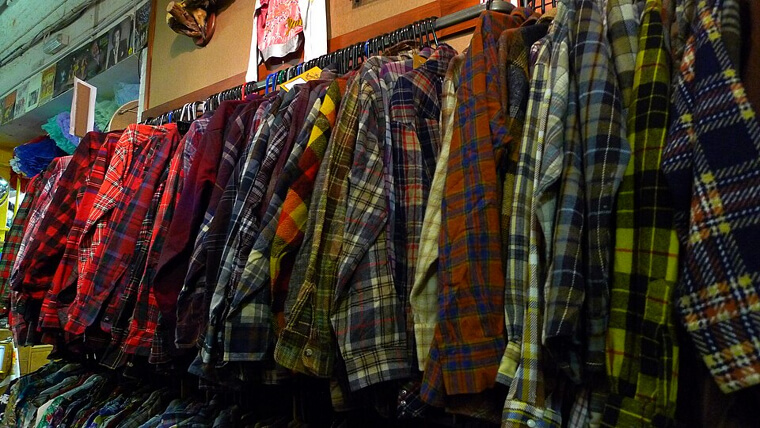
Fashion pivoted toward the "minimalist" look of the late nineties, trading the busy patterns for solid colors and clean lines.
The 1920s "Beaded Headbands": The Forehead Accessory of the Flapper
To complete the "bobbed hair" look, flappers wore ornate headbands across their foreheads, often decorated with beads, sequins, or feathers. These weren't meant to hold the hair back; they were purely for decoration. They reportedly felt quite heavy and would often slip down over the eyes during a particularly vigorous Charleston dance. While they added a lot of sparkle to a night out, they weren't exactly practical for everyday wear.
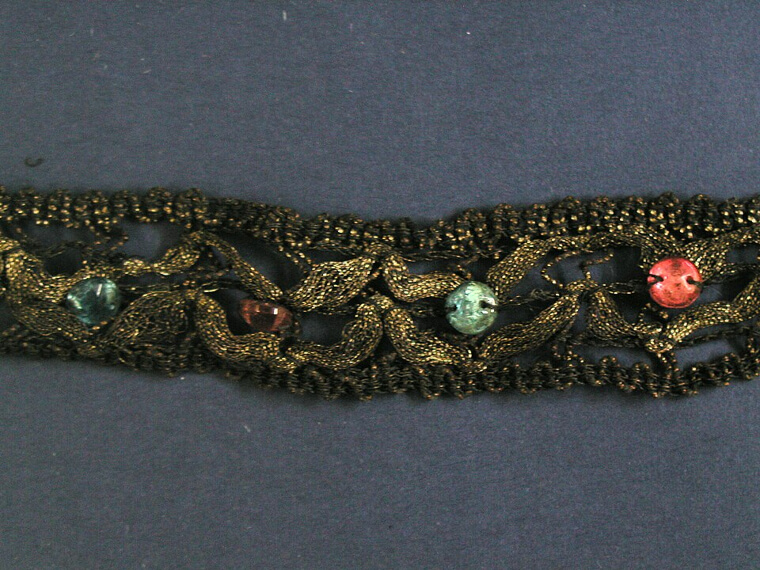
As the glamour of the twenties faded into the sobriety of the thirties, these sparkly "forehead weights" were tucked away into jewelry boxes.
The 1950s "Coiffure Veils": Keeping Your Hair in Place With a Net
Before hairspray became a household staple, women used fine net veils to keep their elaborate curls from blowing away in the wind. These were often attached to a small hat or pinned directly into the hair. They were reportedly quite delicate and had a habit of catching on everything, from earrings to eyelashes! They gave an air of mystery and sophistication.
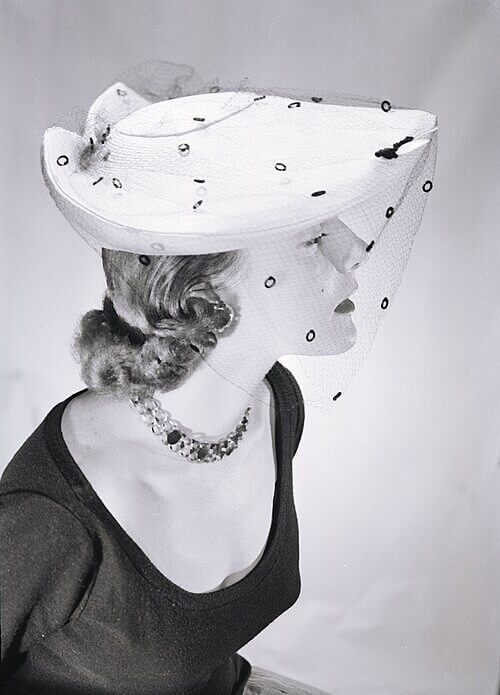
But they were also a bit of a nuisance when it came time to eat or greet a friend. As hair became more "natural" in the sixties, the literal safety net for our heads finally disappeared.
The 1970s "Terry Cloth Sets": Wearing Your Bathroom Towel to the Beach
In the late seventies, matching shorts and shirt sets made entirely of terry cloth—the same material as your bath towels—were all the rage. They were marketed as the perfect "poolside" attire because they could supposedly absorb water while you looked stylish. However, once they got wet, they became incredibly heavy and stayed damp for hours. Reportedly, they also had a tendency to snag on everything from lounge chairs to fingernails.
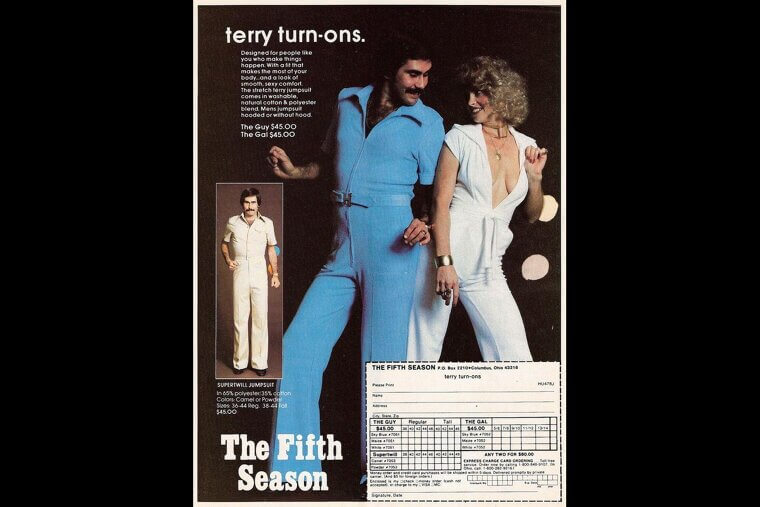
Eventually, we realized that towels are best left on the rack, and we moved toward more practical, quick-drying synthetic fabrics for our summer fun.
The 1980s "Slap Bracelets": The Jewelry That Could Actually Bite
The early nineties (born in the late 80s) saw the rise of the slap bracelet—a flat piece of metal covered in colorful fabric or plastic. You would "slap" it against your wrist, and it would curl around into a bracelet. They were fun, addictive, and reportedly a major distraction in classrooms everywhere. However, some of the cheaper versions had sharp metal edges that would poke through the fabric, leading to some minor injuries and many schools eventually banning them.
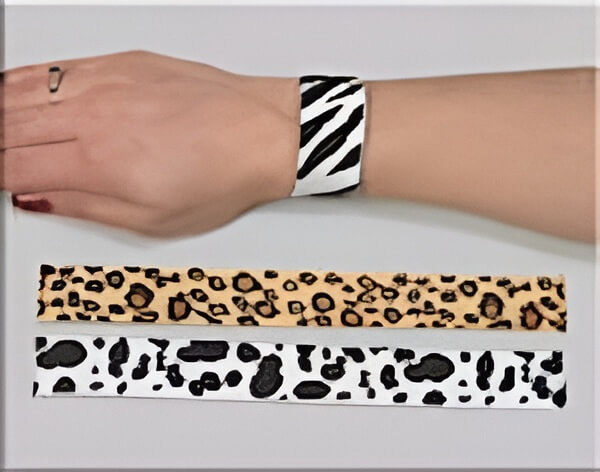
The fad died down as quickly as it started, leaving us with a lot of colorful, curled-up metal.
The 1960s "Fishnet Stockings": The Mod Look That Left a Pattern on Your Legs
The Mod era brought us fishnet stockings in every color of the rainbow. They were edgy, fun, and looked great with a mini-skirt. The downside? If you wore them for a long time, the diamond pattern would reportedly be "pressed" into your skin, leaving you with checkered legs for hours afterward! They also offered zero warmth in the winter and were notorious for getting snagged on literally anything.
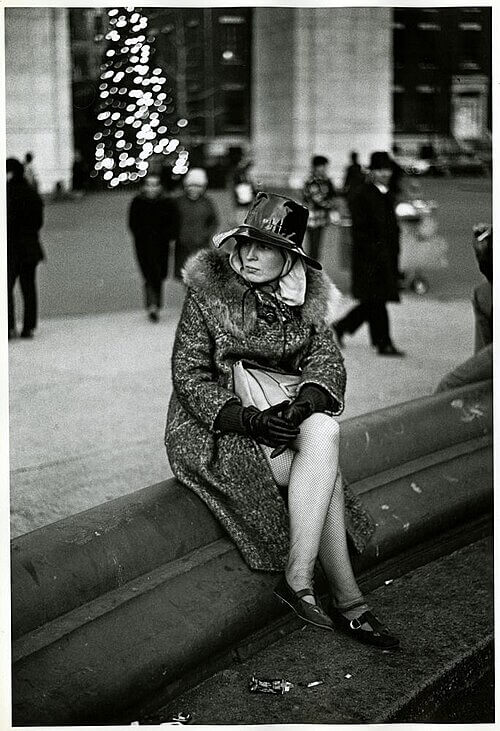
As the "natural" hippie look took over, the high-maintenance, patterned hosiery was largely replaced by bare legs or simple, solid tights.
The 1940s "Snoods": The Elegant Hair Net for the Working Woman
During the war, women entering the workforce needed a way to keep their long hair safe and out of the way. Enter the snood—a decorative, crocheted bag that gathered the hair at the nape of the neck. It was practical, but it was also turned into a fashion statement with added ribbons or flowers. Reportedly, it was much more comfortable than pinning hair up all day.
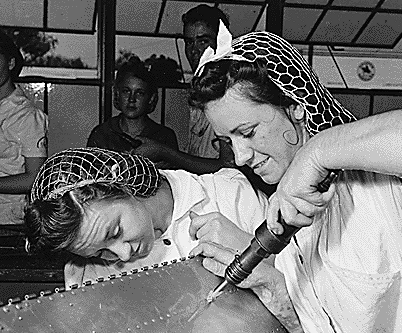
While it served a vital purpose during the "Rosie the Riveter" era, once the war was over, women preferred more elaborate, "free" hairstyles, and the humble hair-bag was relegated to history.